
How Often Should Communal Areas Be Cleaned in a Block of Flats?
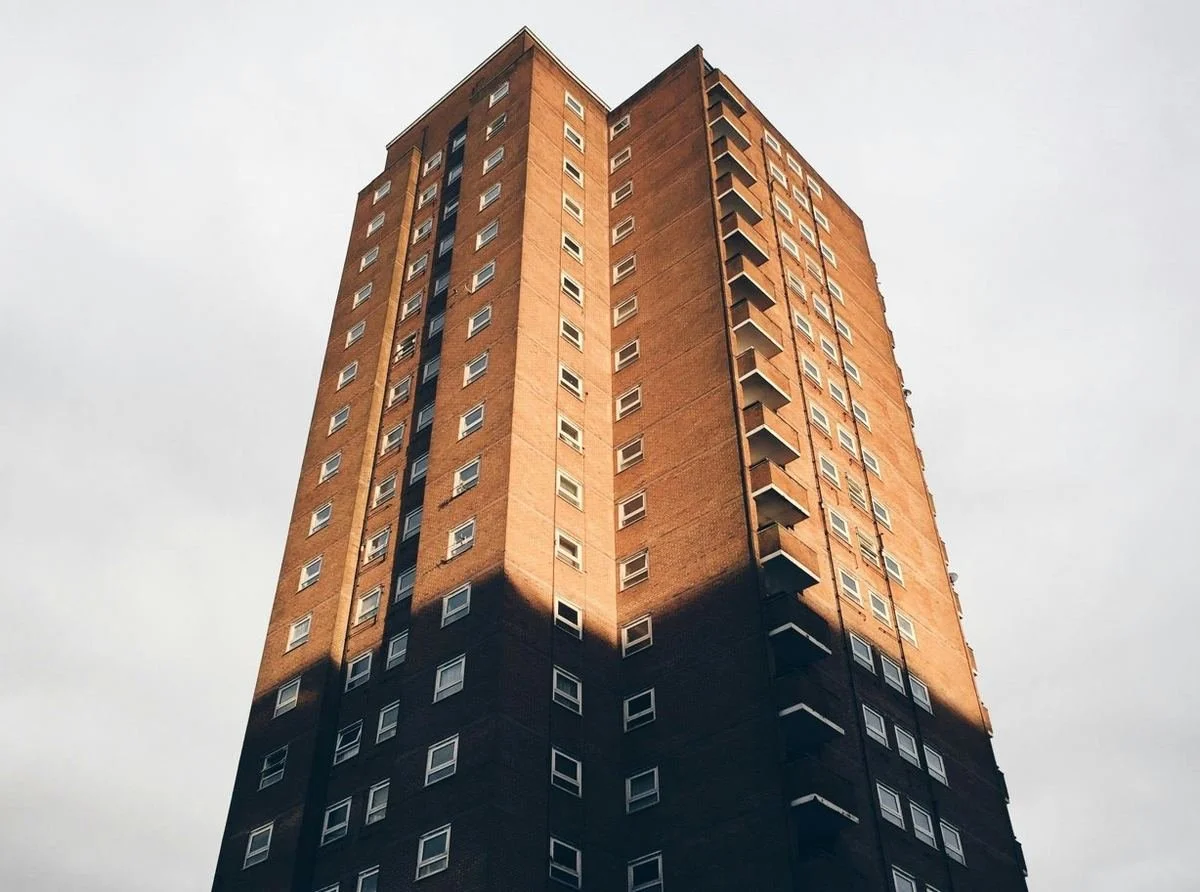
Walk into a block of flats and the communal areas will tell you everything you need to know about how well it's managed. A fresh, clean entrance with the floors swept, surfaces wiped, and no scuff marks on the walls signal a building that's looked after. A dusty, neglected stairwell with fingerprints on every door panel tells a different story entirely.
But knowing a block should be cleaned regularly and knowing how often it actually needs cleaning are two different questions. The right frequency depends on several factors: the number of residents, the type of building, the areas involved, and the standard the property manager wants to maintain. Get it right and you'll have a building that feels genuinely cared for. Get it wrong and shared spaces quickly start to feel unloved.
Here's a practical guide to cleaning frequencies for communal areas — and what actually drives that decision.
Why Communal Areas Need Regular, Structured Cleaning
Communal areas in a residential block experience a level of footfall that's easy to underestimate. Every flat generates multiple comings and goings each day — residents heading to work, deliveries arriving, guests visiting, some residents could work on sites and have muddy boots brought back, some in an office with a less likely chance of dirty footwear. In a 20-unit block, that's potentially several dozens of footfall events through the entrance hall and stairwells every single day, tracking in mud, dust, and debris from outside. Multiply that across a week and the build-up becomes significant.
Unlike a private home where one household manages the cleaning, communal spaces have no single owner taking responsibility. Without a regular professional cleaning schedule, standards can slip fast — and once they do, it often takes more time and effort to restore them than it would have to maintain them in the first place.
Beyond appearance, there's also a practical hygiene case to be made. Lifts, door handles, entry panels, stair handrails, and lift buttons are touched by every single resident, multiple times a day. These high-contact surfaces carry bacteria and require consistent attention.
The Key Factor: Footfall and Number of Units
The single biggest driver of how often a communal area should be cleaned is footfall — which largely comes down to how many people live in the building.
As a general guide:
Weekly cleaning is the right call for larger complexes — typically those with 10 or more units, buildings with lifts, multi-stairwell developments, or any block in a high-footfall location. At this frequency, surfaces stay on top of dust and grime before it builds, floors look consistently presentable, and residents never experience that frustrating stretch where things look neglected. For busy blocks or complexes of 20, 50, or 150+ units, weekly visits are essential to maintain standards as the footfall from the traffic will likely be substantial!
Fortnightly (bi-weekly) cleaning suits medium-sized buildings — roughly 6 to 12 units as a guide. These buildings see meaningful footfall, but not at a pace that demands weekly attention. Fortnightly cleaning keeps things in good order without over-servicing.
Monthly (four-weekly) cleaning can work well for smaller, quieter buildings — perhaps a 2 to 6 flat conversion with a simple layout and low footfall. The shared spaces often don't accumulate dirt quickly enough to justify more frequent visits.
That said, these are guidelines, not rules. Some property managers and building owners want weekly cleaning in a four-flat block because they want an immaculate standard — and there's absolutely nothing wrong with that. The frequency should be driven by the standard you want to maintain, not just the minimum required.
Which Areas Need the Most Attention?
Not all communal areas are equal. Cleaning frequency can, and often should, be differentiated by zone.
Entrance halls and lobbies are the highest-traffic, highest-visibility areas in any block. They're the first thing residents, guests, and prospective tenants see. Floors get dirty quickly, post boxes accumulate dust and marks, and door panels collect fingerprints. These areas benefit most from frequent attention.
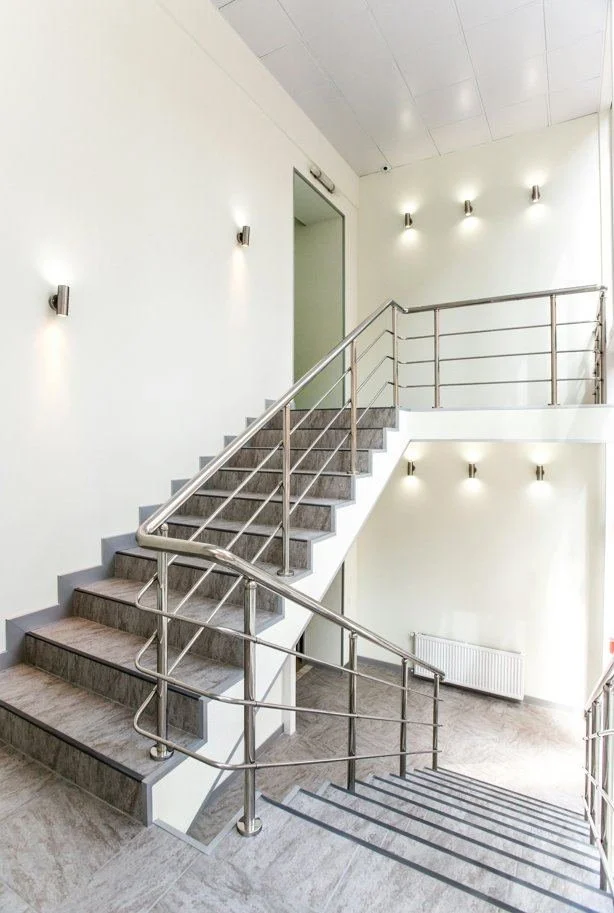
Stairwells and landings see heavy daily use but tend to accumulate dirt more gradually. Thorough cleaning — including bannisters, skirting boards, light fittings, and ledges — keeps them looking sharp and prevents build-up.
Lifts are a particular case. The interior of a lift is a small, enclosed space that's touched by many people daily. Walls, floors, mirrors, control panels, and buttons all need regular sanitising. For buildings with busy lifts, this may warrant more frequent attention than the rest of the building.
Corridors and communal floors vary greatly depending on whether they're carpeted or hard-floored and how much natural light they receive. Hard floors show dirt more readily; carpets can mask it but harbour dust and allergens over time.
Bin stores are often overlooked but quickly become a source of odour and mess. Regular sweeping and tidying here protects the wider building environment.
Don't Forget Periodic Deep Cleans
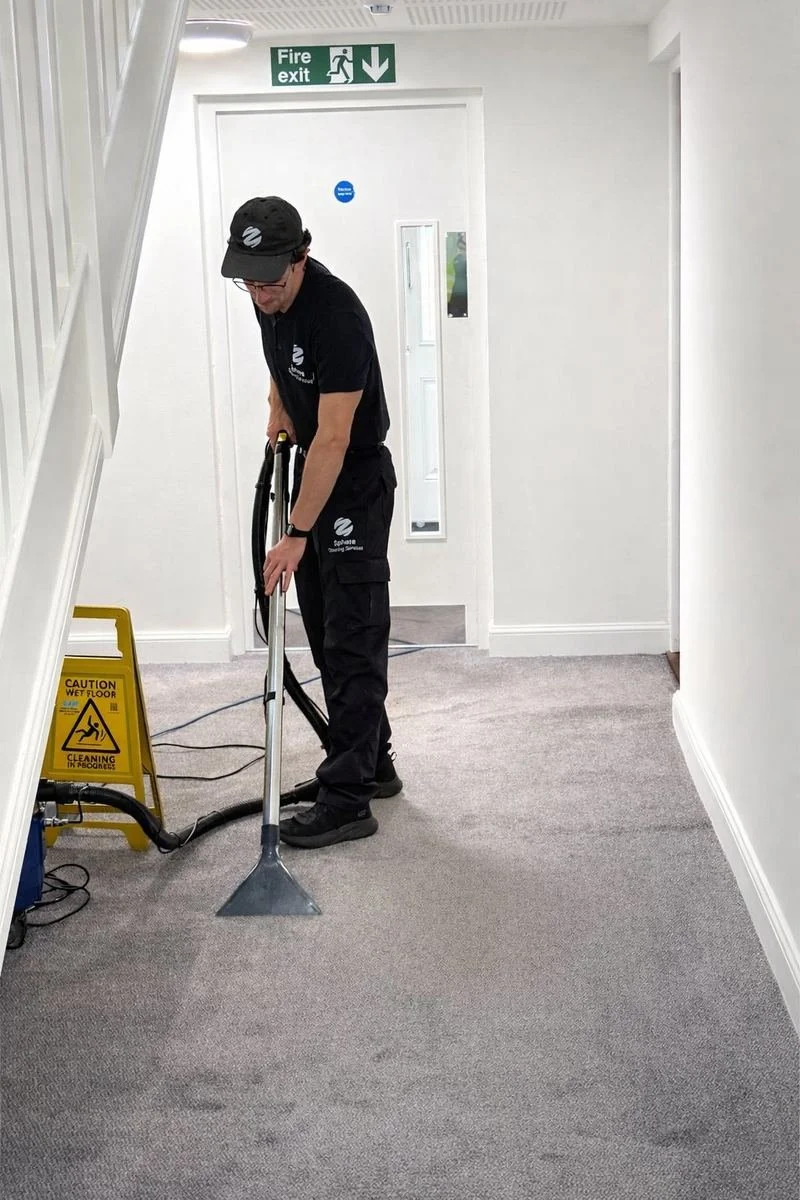
Even with a solid regular cleaning schedule, communal areas benefit from periodic deep cleans throughout the year. These go beyond the standard visit to include things like carpet cleaning, hard floor buffing, thorough wall washing, and attention to areas that don't get touched in a routine clean.
A good rule of thumb is a deep clean once or twice a year for most buildings, with more frequent deep cleans for larger or higher-footfall complexes. It's the kind of reset that leaves residents noticing the difference and reflects well on the management of the building.
The Difference a Good Schedule Makes
A well-maintained block of flats isn't just more pleasant to live in — it reflects directly on the reputation of the property manager or building owner. Residents notice when communal areas are clean and well-kept, and they notice equally when they're not. Clean, cared-for shared spaces contribute to resident satisfaction, support property values, and reduce the likelihood of complaints.
At Sphere Cleaning Services, we provide contracted communal cleaning for residential blocks across London and Kent. From compact four-flat conversions to complexes of 160 units and beyond. Every contract is built around the building's specific needs, with structured schedules, trained staff, and a direct account contact so you're never left chasing updates.
If you're not sure what frequency suits your building, we're happy to assess the site and recommend the right approach.Get in touch for a free, no-obligation quote.